


The GRAND is a multifunctional theatre space that has evolved from a venue for touring productions and vaudeville into a vibrant hub of art and culture in Calgary. It has endured multiple ownership changes, threats of closure, and transformative renovations, solidifying its status as a cornerstone of Calgary’s artistic scene. Learn more about its rich history on calgary-trend.
The Largest Theatre in Western Canada
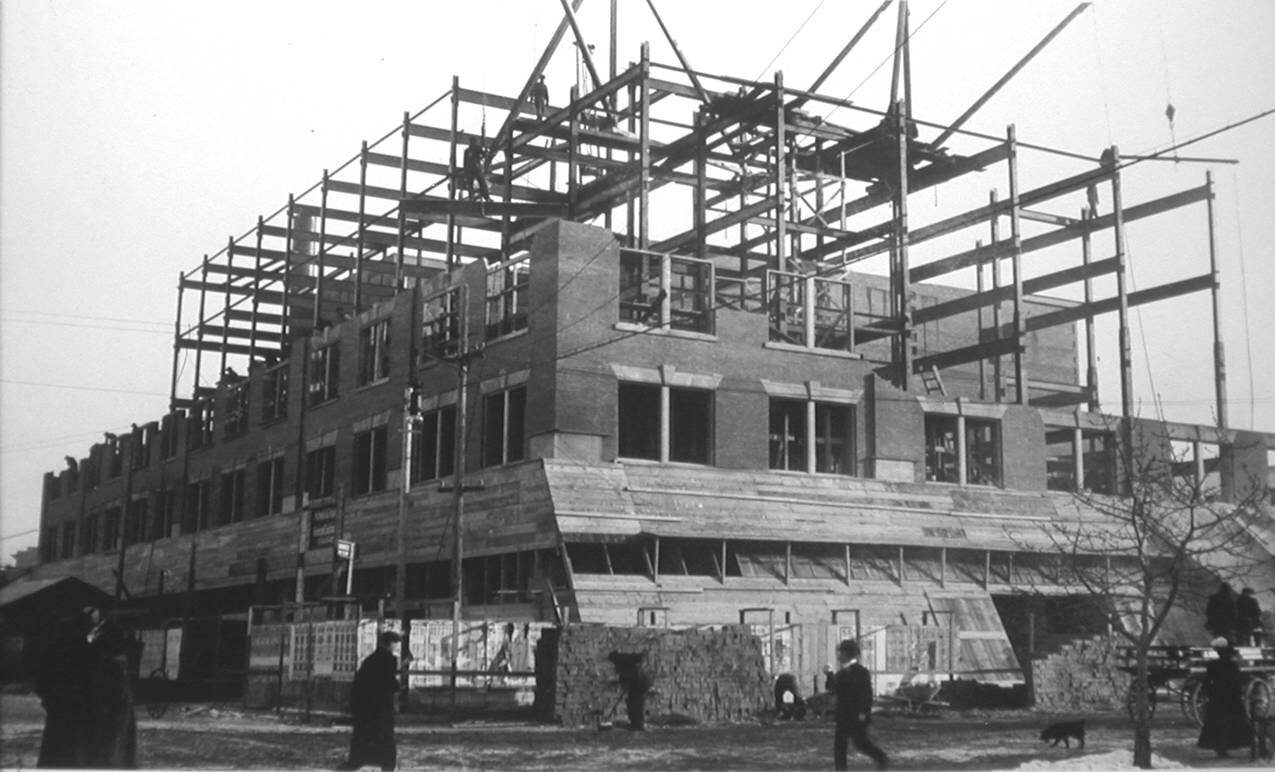
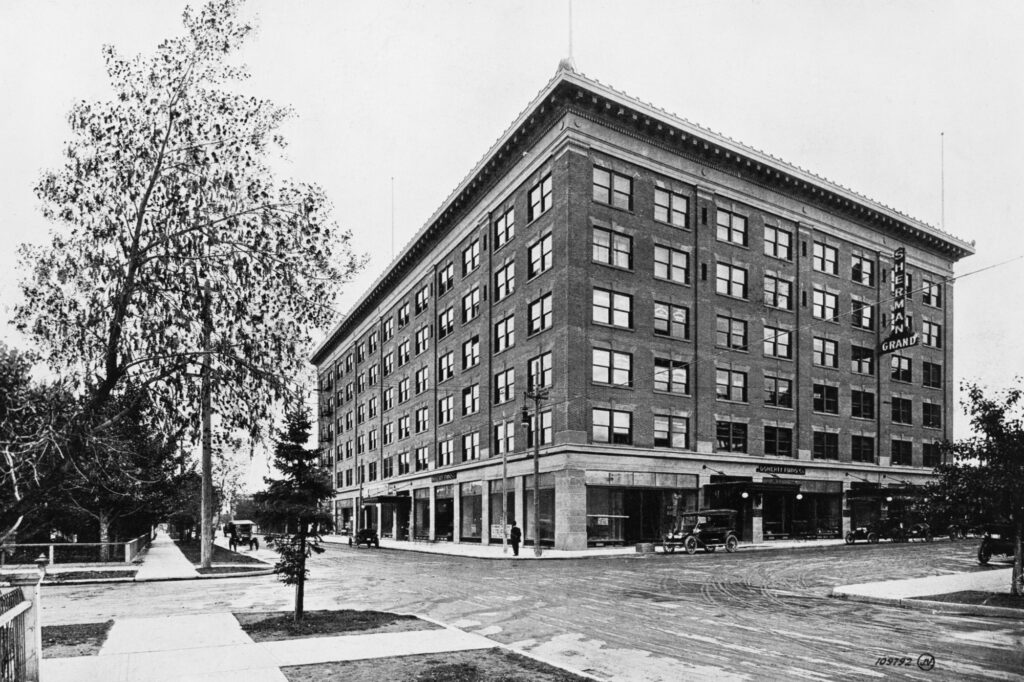
In 1912, businessman, lawyer, and politician James Lougheed built the Lougheed Block, a multipurpose commercial building in Calgary that included retail spaces, offices, and residential units.
On the building’s ground floor, a theatre was leased and operated by Bill Sherman, for whom it was named Sherman Grand. The theatre officially opened its doors on February 5, 1912, boasting 1,350 seats, making it the largest theatre in Western Canada and home to the largest stage in Canada at the time.
Sherman Grand quickly became a focal point of political and social life in Calgary, hosting meetings, debates, and speeches. It was considered modern for its time, featuring 15 dressing rooms equipped with electric lighting and hot water.
In 1914, after Sherman was dismissed due to unsuccessful management decisions, the theatre was renamed the Grand Theatre.
Temporary Cinema
Throughout the 1920s and 1930s, the theatre struggled financially, earning just $100 per month. By 1936, it operated only 33 days that year. In 1937, J.B. Barron leased the theatre, and in 1941, it became part of the Odeon theatre chain.
The rise of television in the 1950s led to a decline in theatre attendance. In 1957, Jubilee Auditorium was constructed, reducing the Grand Theatre’s prominence, and it primarily operated as a cinema, occasionally hosting vaudeville shows, stage productions, and concerts.
Threat of Demolition
Renovations in 1936, 1947, and 1965 saw much of the original interior decoration removed. The Grand Theatre was sold to the Odeon company in 1969. By 1972, it was divided into two twin theatres, each seating 625. Despite another renovation in 1985, reopening as Showcase Grand with 1,200 seats, success remained elusive.
In 1998, the Alberta Historical Preservation and Restoration Society formed a committee to save the theatre from demolition. They collected 4,000 signatures on a petition urging the provincial government to designate the Grand Theatre and Lougheed Block as historic landmarks.
Despite significant structural issues, including electrical and mechanical problems, the decision was made to preserve the building. In 1999, the theatre officially closed, replaced temporarily by an indoor golf facility.
In 2000, the Calgary Planning Commission approved the demolition of the building to construct a 22-story office tower. However, in 2001, the theatre’s management sought a short-term tenant to prevent demolition. The space was leased to Terry Carter, who operated the Players Grand golf centre. In 2003, Neil Richardson purchased the theatre and the Lougheed Block.

New Ownership and Revitalization
In 2004, the theatre was acquired by Theatre Junction, which transformed it into a cultural centre with funds from philanthropist Jackie Flanagan and other donors. During the restoration, original features like the 1912 ceiling were preserved.
The building retained its original projection room, the first dedicated movie screening space in Calgary. A small room on the second floor, formerly a booth, was converted into a “vintage room” for guest receptions and small events.
Theatre Junction GRAND reopened in 2006 as a centre for contemporary performance in Calgary. Despite its cultural contributions, rumors swirled about internal disputes, a toxic work environment, and delayed funding.
In December 2018, new management under The Calgary GRAND Theatre Society rebranded the venue as simply The GRAND. Tony McGrath, an executive without an arts background, was hired as CEO.
In 2020, the COVID-19 pandemic forced Calgary’s theatres to temporarily close. Later that year, McGrath’s contract was terminated, and Nicole Mion was appointed interim artistic director in January 2021 to develop a new artistic vision and business plan. Despite her extensive experience, Mion’s contract ended in July 2021 due to disagreements with the theatre’s board. Erin Lister was subsequently appointed as general manager and later became executive director.
In 2021, The GRAND was sold to Allied Properties REIT.

A Space for Interdisciplinary Live Art
As Calgary’s oldest theatre and one of Western Canada’s most historic venues, The GRAND is dedicated to being a cultural hub that showcases high-quality, thought-provoking art. It seeks to create unforgettable experiences while fostering connections between artists and audiences to inspire positive community transformation.
The GRAND presents local, national, and international artists—including actors, dancers, and musicians—and provides a Canadian context for contemporary live art. Its offerings range from hip-hop and classical music to visual arts and digital media, encouraging creativity across disciplines.
The theatre’s spaces are available for theatrical performances, cultural events, exhibitions, weddings, private functions, corporate gatherings, and more. These spaces include studios, lobbies, mezzanines, the “vintage room,” dressing rooms, and the Flanagan Theatre.
The Flanagan Theatre, named after donor Jackie Flanagan, seats 436 and is equipped for performances, concerts, dance productions, conferences, and film screenings.

The GRAND fosters inclusivity and minimizes social and economic barriers, providing a welcoming space for innovation and unique artistic experiences.
One of the theatre’s lower walls features signatures from prominent artists who have performed there, a tradition inadvertently started by J.B. Barron, whose autograph dated August 13, 1935, was discovered in the dressing room.