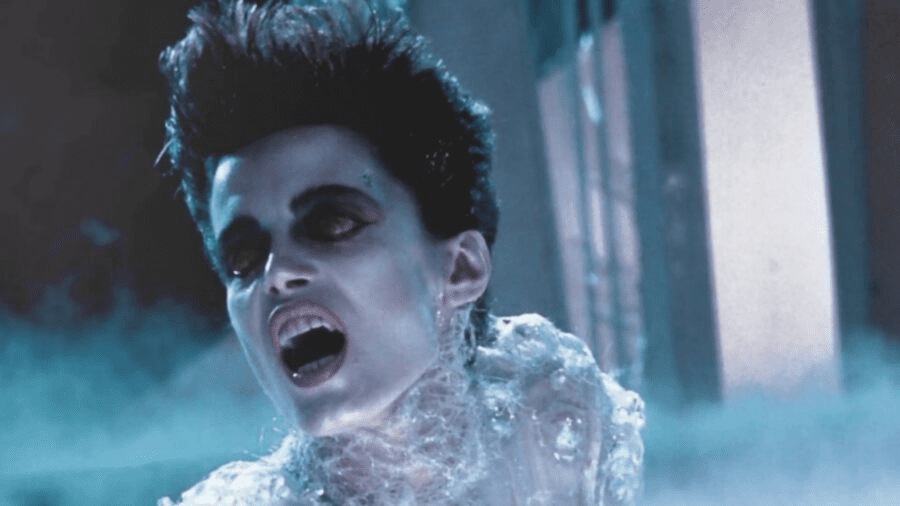
“Ghostbusters: Afterlife,” a 2021 supernatural comedy, is the third installment in the iconic “Ghostbusters” franchise. This Hollywood classic remains a staple for Halloween movie marathons or any spooky celebration. Read on to discover how this renowned film, shot in Alberta, came to life on calgary-trend.
Plot Summary
Set 32 years after the events of “Ghostbusters II,” the story revolves around single mother Callie Spengler, her son Trevor, and daughter Phoebe, who are forced to leave their home due to unpaid bills. The family moves to an abandoned farmhouse in the fictional town of Summerville, left behind by Callie’s late father.
As the family adjusts to their new life, strange underground tremors resembling mild earthquakes occur. One day, Phoebe discovers a ghost trap and a device for detecting supernatural activity. She learns about the possible return of Gozer, an ancient deity, from a book she finds. With the help of her friend Podcast and summer school teacher Gary, the trio inadvertently unleashes a ghost from the trap.
As paranormal activity escalates and ghosts appear throughout the town, the group embarks on a mission to a nearby mine to confront Gozer one final time.
Filming Locations
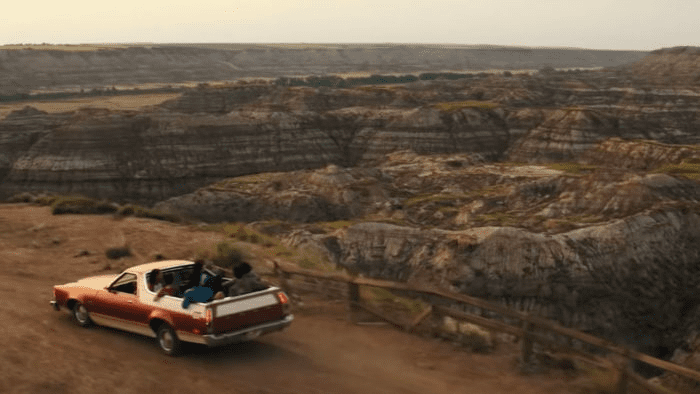
Although set in rural Oklahoma, the film was entirely shot in Alberta. The fictional town of Summerville is a blend of several locations in Calgary and its surrounding areas.
Filming began in Calgary in July 2019. Prominent local landmarks featured in the movie include the historic Lougheed House in the Beltline neighbourhood and the Turner Valley Gas Plant. The family farm was specially built on the outskirts of Calgary, complete with an authentic barn and cultivated crops to create a realistic rural setting.
Other notable Alberta locations include:
- Horsethief Canyon: This dramatic canyon served as the backdrop for many of the film’s paranormal scenes. Located 16 km northwest of Drumheller, it features textured rock formations, striped walls, and platforms representing millions of years of geological history. It’s named after cattle rustlers who once used the canyon as a hideout.
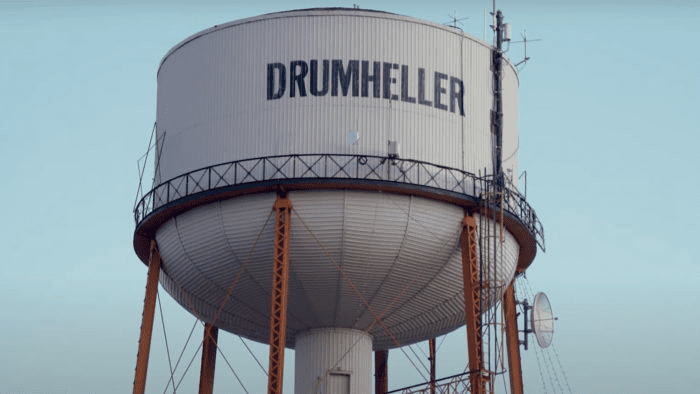
- Drumheller: Known as the “Dinosaur Capital of the World,” Drumheller is home to the Royal Tyrrell Museum, featuring some of the largest dinosaur exhibits globally. The film highlights landmarks like Tyra, a 25-metre-tall dinosaur model that dwarfs a real Tyrannosaurus Rex.
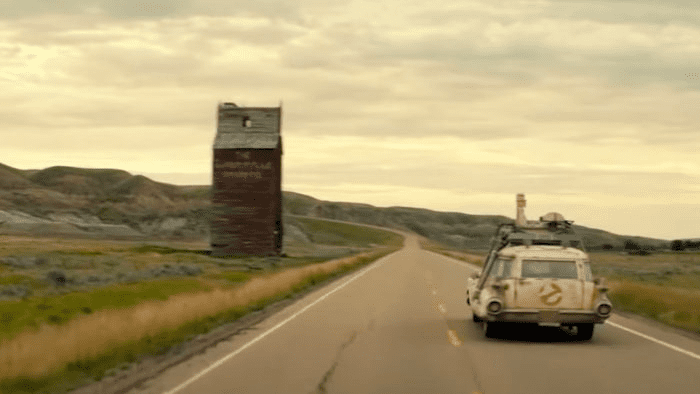
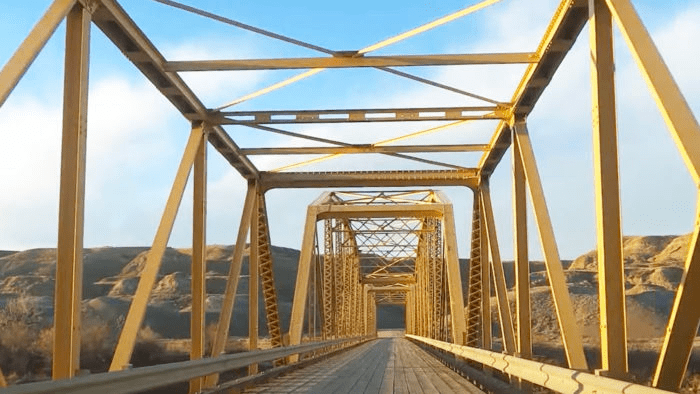
- Dorothy: This ghostly hamlet captures an eerie atmosphere with its abandoned 1920s grain elevator featured in the film. Grain elevators once dominated the prairies, serving as hubs for transporting grain. Now, they’re popular for photography, music videos, and movie scenes. Dorothy’s Shandor Mine and Dorothy Ferry Bridge, which spans the Red Deer River, also appear in the movie.
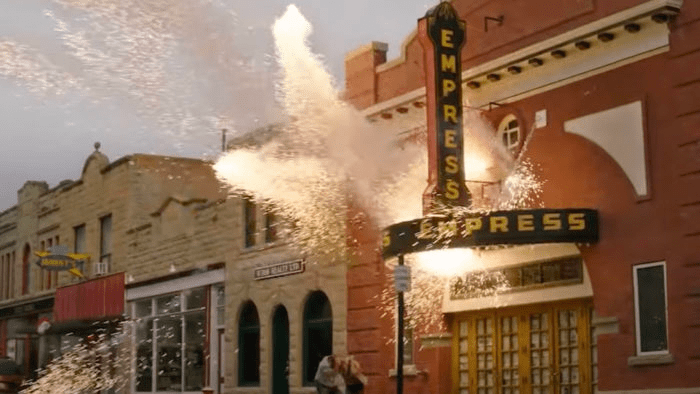
- Fort Macleod: The town’s historic Empress Theatre, built in 1912 and a designated provincial heritage site, plays a role in the film.
- Beiseker: Located northeast of Calgary, this village’s rural auto body shop was transformed into Spinners, a burger and milkshake restaurant.
- Crossfield: The town’s Enjoy Garden Chinese restaurant was renovated for the movie, with window decals and wooden ornaments added for authenticity.
Fun Facts About the Cast and Roles
- Sigourney Weaver: During her audition for the role of Dana Barrett, Weaver barked like a dog to prove her comedic range, convincing producers of her suitability despite her established reputation for dramatic roles.
- Harold Ramis: The late actor, best known for playing Egon Spengler, passed away at age 69 before the film’s release. A bronze bust of Egon is prominently displayed in the movie as a tribute to his legacy.
- Paul Rudd: Known for his role as Ant-Man, Rudd turned down a part in the horror film “Halloween Kills” to play Gary Grooberson, a summer school science teacher.
- Mckenna Grace: The young actress who portrayed Phoebe Spengler also co-wrote and performed the end-credits song. The inspiration for the track stemmed from her struggles during the COVID-19 pandemic.
- Olivia Wilde: Wilde’s unexpected cameo as Gozer delighted audiences. The actress, also a director, brought a fresh interpretation to the role originally played by Slavitza Jovan.
Decades in Development
The development of “Ghostbusters: Afterlife” dates back to the 1990s. While the second film wasn’t as well-received as its predecessor, the franchise creator, Dan Aykroyd, envisioned an ambitious sequel where the team journeys to hell. Over time, the script evolved to focus on passing the torch to a younger generation of Ghostbusters.
Despite years of delays and the passing of co-writer Harold Ramis in 2014, the film eventually materialized, with director Paul Feig rebooting the storyline.
Reception
Critics were divided on the film. On Rotten Tomatoes, 63% of 306 reviews were positive, with an average rating of 6.2/10. While opinions varied, many praised the performances of returning and new cast members, as well as the blend of nostalgia and fresh storytelling.